
Riverside
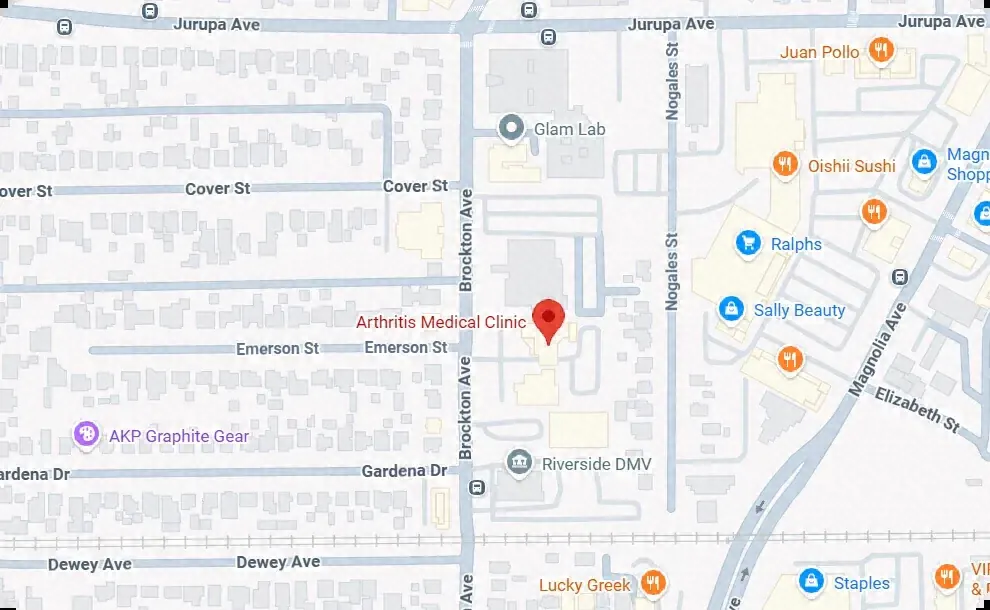
6180 Brockton Avenue, STE 204Riverside, CA 92506
info@arthritismedicalclinic.org
Get Directions to Arthritis Medical Clinic RiversideMedical review pending
Eosinophilic granulomatosis with polyangiitis (EGPA) is a rare disease. It was once called Churg-Strauss syndrome. It often starts with asthma in adults, sinus problems and nerve symptoms.
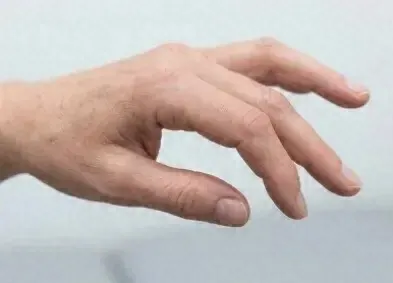
As a rheumatologist, I often see patients who have spent years managing what they thought were unrelated health issues, such as asthma, sinus infections, allergies, nerve pain, or unexplained fatigue. Sometimes, these symptoms are connected by a single underlying condition.
One example is Eosinophilic Granulomatosis with Polyangiitis (EGPA), formerly known as Churg-Strauss Syndrome.
EGPA is a rare autoimmune disease that causes inflammation of small and medium-sized blood vessels. It belongs to a group of conditions called ANCA-associated vasculitis, where the immune system mistakenly attacks blood vessels and causes widespread inflammation.
What makes EGPA unique is the combination of asthma, high levels of eosinophils (a type of white blood cell), blood vessel inflammation and organ involvement.
Because EGPA can affect multiple parts of the body, symptoms often appear unrelated at first. A person may visit an asthma specialist, an ENT doctor, a neurologist, and eventually a rheumatologist before the full picture becomes clear. The good news is that early diagnosis and modern treatments have significantly improved outcomes.
EGPA is a rare autoimmune form of vasculitis that causes inflammation of small blood vessels. Inflamed blood vessels may become narrowed, damaged, swollen and less effective at delivering blood flow. This inflammation can affect the lungs, sinuses, skin, nerves, heart, kidneys and digestive system.
The exact cause of EGPA remains unknown. Researchers believe EGPA develops due to an abnormal immune response. Immune system dysfunction, genetic factors, environmental triggers and allergy pathways may all play a role. However, having asthma or allergies does not necessarily mean a person will develop EGPA.
Symptoms can vary significantly between patients.
There is no single test that can confirm the disease. Diagnosis requires a comprehensive look at the patient’s clinical picture.
Treatment depends on the severity of disease, the organs involved and the risk of complications. The main goals are to control inflammation, reduce eosinophil activity, protect organs and achieve remission.
A diagnosis of EGPA can feel overwhelming, as the disease often affects multiple body systems. However, advances in treatment have significantly improved patient outcomes. Many patients can control asthma symptoms, prevent organ damage, continue normal activities and maintain an active lifestyle. Long-term care typically involves regular check-ups with a rheumatologist and other specialists.
Seek evaluation if you experience adult-onset asthma, persistent sinus problems, high eosinophil levels, numbness or tingling, unexplained rash, shortness of breath, fatigue with inflammatory symptoms, or multiple symptoms affecting different organs.
Yes. EGPA is an autoimmune vasculitis in which the immune system attacks blood vessels, causing inflammation.
Yes. Churg-Strauss Syndrome is the former name for Eosinophilic Granulomatosis with Polyangiitis.
There is currently no cure, but many patients can achieve remission with treatment.
No. Some patients test positive for ANCA antibodies, while others do not.
A rheumatologist usually coordinates care and often works closely with pulmonologists, allergists, neurologists, and other specialists.
One of the biggest challenges with EGPA is recognizing that symptoms affecting different parts of the body may actually be linked. Asthma, sinus problems, nerve symptoms, skin changes, and fatigue may seem like separate issues. However, when these symptoms occur together—especially alongside elevated eosinophils—a thorough evaluation is essential.
The most important message I share with patients is that EGPA is a serious condition, but it’s also highly treatable when diagnosed early.
We Are Accepting New Patients!
info@arthritismedicalclinic.org
Get Directions to Arthritis Medical Clinic Riverside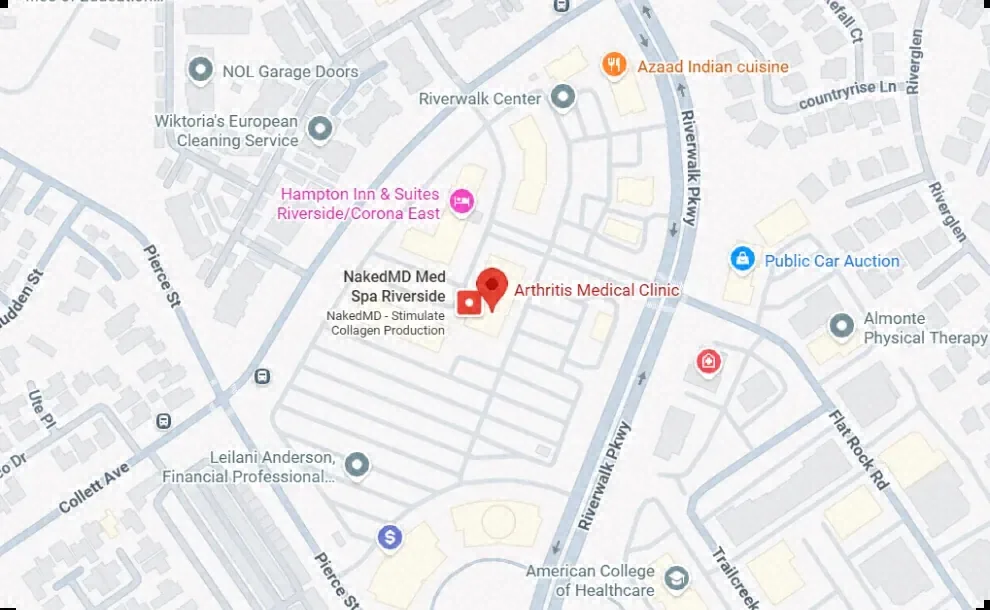
info@arthritismedicalclinic.org
Get Directions to Arthritis Medical Clinic La SierraPhones answered: Mon – Fri 9:00 AM – 5:00 PM
Wheelchair-accessible entrance and parking at every office.