
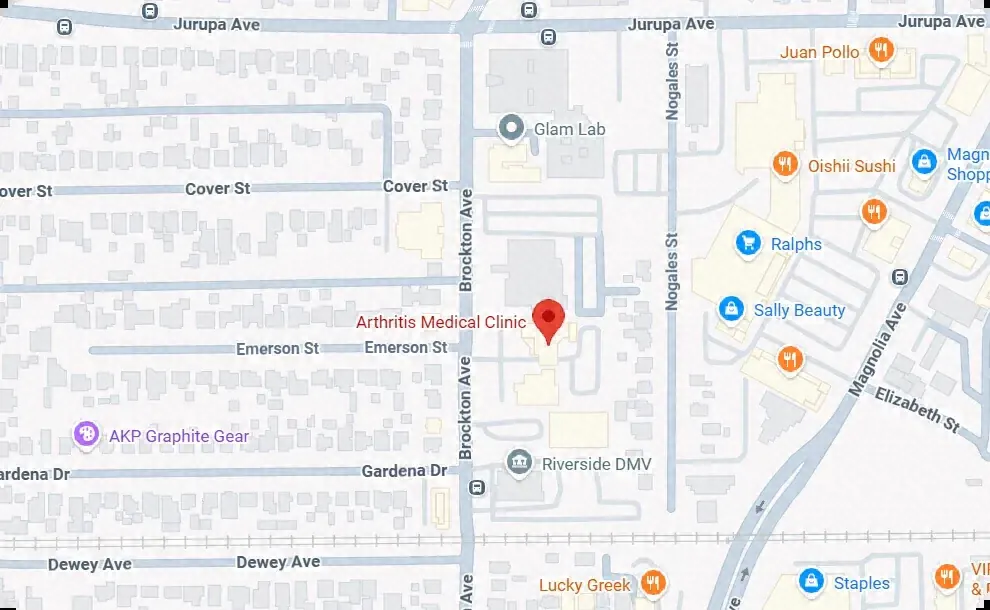
Riverside
6180 Brockton Avenue, STE 204Riverside, CA 92506
info@arthritismedicalclinic.org
Get Directions to Arthritis Medical Clinic RiversideMedical review pending
Spondyloarthritis (SpA) is a group of diseases that make the spine and joints swell and hurt. It can also affect the eyes, skin and gut.

Spondyloarthritis (SpA) is a group of diseases that cause inflammation, which means swelling and pain. They mostly affect the spine and joints. But they can also affect other parts of the body, such as the eyes, skin and gut.
These diseases often start before age 45. They are most common in young adults. In the United States, more than 3 million people have some form of SpA. That makes it more common than several other well-known autoimmune diseases.
SpA has two main types. A person can have both.
It is common for a person to have symptoms of both types. The main symptoms help doctors decide which type a person has.
The key sign of axial SpA (axSpA) is pain and stiffness in the lower back or buttocks that does not go away. It often comes from swelling in the sacroiliac joints. These joints connect the spine to the pelvis. The pain usually starts slowly, most often before age 45. It lasts more than three months. Moving around tends to ease the pain, but rest does not. Many people are stiff in the morning for at least 30 minutes. AxSpA can also affect other parts of the body:
AxSpA comes in two kinds:
Peripheral SpA causes swelling and pain in joints and tendons outside the spine. It often affects the hands, wrists, elbows, shoulders, knees, ankles and feet. It can also cause:
Peripheral SpA comes in a few kinds:
Undifferentiated spondyloarthritis: Doctors use this name when a person’s symptoms do not fit neatly into the other types. For example, a person might have eye swelling, heel pain and a swollen knee, but none of the other usual signs.
When SpA starts in children or teens, it is called juvenile spondyloarthritis. It can affect the spine (axial) or other joints (peripheral). Enthesitis is common in young people. This is pain and swelling where tendons and ligaments attach to bone.
SpA is a mixed group of diseases. They can affect the spine, the joints and other organs. Finding it early and getting care that fits you are key. They help ease symptoms and prevent problems. Knowing the different types of SpA helps people get the care they need. That can help you feel better and enjoy a better quality of life.
We Are Accepting New Patients!
info@arthritismedicalclinic.org
Get Directions to Arthritis Medical Clinic Riverside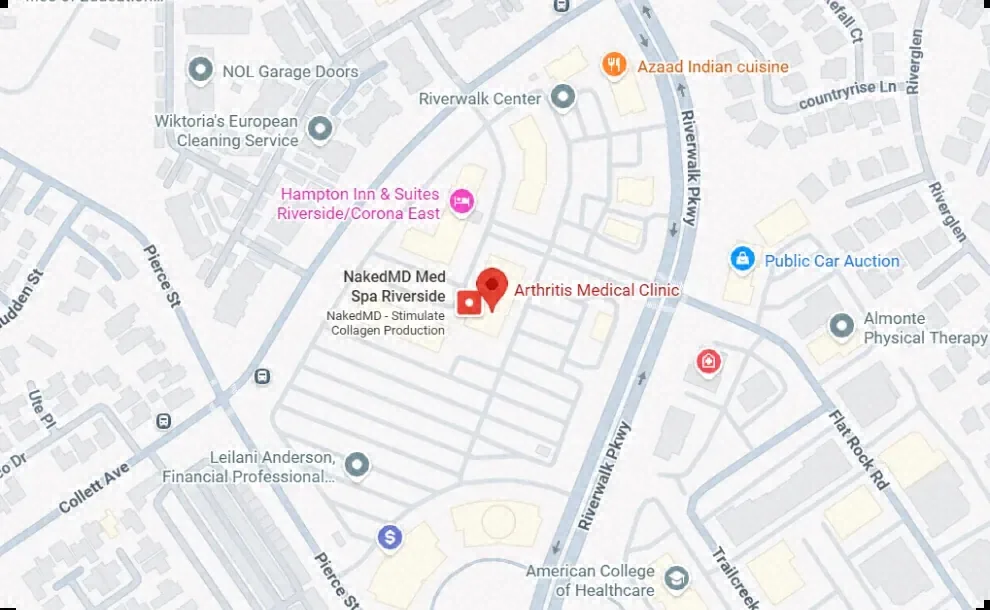
info@arthritismedicalclinic.org
Get Directions to Arthritis Medical Clinic La SierraPhones answered: Mon – Fri 9:00 AM – 5:00 PM
Wheelchair-accessible entrance and parking at every office.