
Lupus Treatment in Riverside, CA

Medical review pending

Lupus is a long-lasting disease in which the immune system attacks the body. It can affect many parts of the body.

Lupus – patient symptom photo

Overview of Systemic Lupus Erythematosus (Lupus)

Lupus is a long-lasting autoimmune disease. Its full name is systemic lupus erythematosus. It can affect many parts of the body. Your immune system normally protects your body from germs and disease. With lupus, it attacks your own tissues instead. This causes swelling and pain, called inflammation. Sometimes it causes lasting damage. The damage can be widespread. It can affect the skin, joints, heart, lungs, kidneys, blood cells and brain.

If you have lupus, you may have times when you feel sick (flares). You may also have times when you feel well (remission). Flares can be mild or serious, and no one can predict when they will come. But with treatment, many people with lupus can manage the disease.

Who Gets Systemic Lupus Erythematosus (Lupus)?

Anyone can get lupus. But women get it about nine times more often than men. It most often starts between ages 15 and 45. It can also start in childhood or later in life.

Lupus is more common in African Americans than in White people. It is also more common in people of American Indian and Asian descent. Men, African Americans, Chinese people and Hispanic people are more likely to have lupus that harms their organs. If someone in your family has lupus or another autoimmune disease, you may be more likely to get lupus.

Symptoms of Systemic Lupus Erythematosus (Lupus)

Lupus symptoms are different for each person. They can be mild or severe. You may have just a few symptoms in one part of your body. Or you may have many symptoms all over your body. Symptoms may come and go. New ones may show up over time. Some symptoms happen when lupus causes swelling in organs, such as the joints, skin, kidneys, the lining of the heart and lungs, the brain and blood cells. Symptoms of lupus can include:

  • Arthritis, which causes painful, swollen joints and stiffness in the morning.
  • Fevers.
  • Feeling tired often (fatigue).
  • A rash across the nose and cheeks. It is called a malar or “butterfly” rash.
  • Round, scaly rashes that can show up anywhere on the body.
  • A rash caused by the sun.
  • Hair loss.
  • Sores in the nose and mouth, most often on the roof of the mouth. They usually do not hurt.
  • Fingers and toes that turn blue-purple, white or red from cold or stress (Raynaud’s phenomenon).
  • Swollen glands.
  • Swelling in the legs or around the eyes.
  • Pain when you breathe deeply or lie down. It comes from swelling of the lining around the lungs or heart.
  • Headaches, feeling dizzy, depression, confusion or seizures.
  • Belly pain.

Lupus causes swelling all through the body. This can cause problems in organs, such as:

  • Kidney damage, called lupus nephritis. It can change how well the kidneys work and can even lead to kidney failure.
  • Seizures and memory problems from changes in the brain and nerves.
  • Damage to the heart valves. Swelling can leave scars on them.
  • Swelling of the lining around the heart, called pericarditis.
  • Swelling of the heart muscle itself, called myocarditis.
  • Swelling of the blood vessels, called vasculitis.
  • Blood clots. They come from high levels of certain antibodies called antiphospholipid antibodies.
  • Low numbers of red blood cells, white blood cells and platelets.
  • Swelling of the tissue around the lungs, which makes it hurt to breathe. This is called pleurisy.

Lupus can cause swelling in the heart and blood vessels. So some people with lupus are more likely to get heart and blood vessel disease, such as:

  • Atherosclerosis. Fat and other things stick to the walls of blood vessels and form plaque. This can happen in blood vessels all over the body.
  • Coronary artery disease. Plaque builds up in the arteries that bring blood to the heart. A blood clot or a piece of plaque that breaks off can block blood flow and cause a heart attack.

Causes of Systemic Lupus Erythematosus (Lupus)

No one knows the cause of lupus yet. Researchers are still trying to learn what starts it. Doctors know it is a complex autoimmune disease. The body’s immune system attacks the person’s own tissues and organs. Studies show that some things may set off the immune system and cause the disease:

  • Genes. Some genes play a part in lupus. These genes carry instructions for proteins that may affect the immune system. Researchers are studying how high or low levels of these proteins may lead to lupus.
  • The world around you. Some things may set off lupus, such as virus infections, sunlight, some medicines and smoking.
  • The immune system and inflammation. The body normally clears out damaged or dead cells. Researchers think that if this does not happen, the immune system may be tricked into fighting the body all the time. This could lead to lupus. Researchers are also studying how changes in different kinds of cells could lead to lupus.

Diagnosis of Systemic Lupus Erythematosus (Lupus)

Lupus can be hard to diagnose. It has many symptoms that come and go. Its symptoms can also look like those of other diseases. When you talk to your doctor, tell them about symptoms you no longer have, too. Your doctor may need to rule out other causes first. No single test can show that you have lupus. To find out, your doctor may:

  • Ask about your health history and symptoms. They may also read your past medical records.
  • Ask if anyone in your family has lupus or another autoimmune disease.
  • Give you a full physical exam.
  • Take urine samples to check for too much protein in your urine.
  • Take a tiny piece of skin or kidney to look at under a microscope. This is called a biopsy. A kidney biopsy is done when lab tests show there may be a kidney problem.

Your doctor will also take blood for lab tests, such as:

  • Antinuclear antibodies (ANA). Almost everyone with lupus has a positive ANA test. But a positive test does not mean you have lupus. Healthy people can have a positive ANA, too.
  • Antiphospholipid, anti-Smith and anti-double-strand DNA antibodies. Doctors order these tests when your ANA is positive. They can help show if you have lupus.
  • A complete blood count. It checks for low numbers of platelets, red blood cells and white blood cells, which can happen with lupus.
  • A metabolic panel, which looks for changes in how well your kidneys work.

Treatment of Systemic Lupus Erythematosus (Lupus)

Doctors treat lupus based on your symptoms. The goals of treatment are to:

  • Manage symptoms.
  • Prevent, limit and stop flares.
  • Keep the disease as quiet as possible. If possible, reach full remission.
  • Prevent or slow organ damage.
  • Help you enjoy a better quality of life.

Lupus is a long-lasting disease. It has no cure yet. But treatments have gotten much better. Doctors now have more ways to manage the disease. Symptoms can change, and treatments can have side effects. So your doctor may suggest more than one treatment at a time.

Treatments for lupus may include the following.

Medications

  • Anti-inflammatory medicines help with pain or fever.
  • Antimalarials are medicines used to prevent and treat malaria. They also help with tiredness, joint pain, skin rashes and swelling of the lungs caused by lupus. They may also stop flares from coming back.
  • Corticosteroids lower swelling in the body. Because they are strong medicines, your doctor will give you the lowest dose that works.
  • Immunosuppressants calm an overactive immune system. You may take them by mouth or get them through an IV. The risk of side effects goes up the longer you take them.
  • BLyS-specific inhibitors are a type of biologic medicine. They block a protein called B-lymphocyte stimulator. This can shorten the life of the problem B cells that help cause lupus, which may help control the disease.
  • Type I interferon receptor inhibitors are another type of biologic medicine. They may improve skin, joint and overall lupus symptoms.

Corticosteroids come in several forms:

  • Liquid or pills that you swallow.
  • Cream that you put on the skin.
  • A shot.
  • An IV infusion. The medicine goes into your vein through a small tube.

You may need medicines to treat or prevent problems linked to lupus. You may also need them for side effects of the medicines that treat lupus. These include heart disease, high blood pressure, osteoporosis and other bone problems, and infections.

Your doctor may also give you medicines that are used for other diseases with symptoms like those of lupus. For example, some medicines for rheumatoid arthritis may ease some lupus symptoms.

Alternative and Complementary Therapies

Some people try other kinds of therapies to feel better. But research has not shown for sure that they help or treat lupus. Some examples are:

  • Special diets.
  • Nutritional supplements.
  • Fish oils.
  • Ointments and creams.
  • Acupuncture.
  • Chiropractic treatment.
  • Homeopathy.

Some medicines you buy at the store, herbs and supplements can change how your other medicines work. Talk with your doctor before you start any new therapy.

Whatever treatment you get, see your doctor regularly. Your doctor will check on your lupus and watch for side effects of your medicines. Never stop a medicine or treatment without talking to your doctor first.

Who Treats Systemic Lupus Erythematosus (Lupus)?

Most people see a rheumatologist for lupus care. A rheumatologist is a doctor who is an expert in rheumatic diseases. These include arthritis and other diseases of inflammation or the immune system. Clinical immunologists are doctors who treat immune system problems. They may also treat lupus. Other health care providers may help, too:

  • Primary care providers, such as a family doctor or an internal medicine doctor.
  • Mental health professionals. They offer counseling and treat problems such as depression and anxiety.
  • Nephrologists, who treat kidney disease.
  • Cardiologists, who treat diseases of the heart and blood vessels.
  • Hematologists, who treat blood problems.
  • Endocrinologists, who treat problems with the glands and hormones.
  • Dermatologists, who treat problems with the skin, hair and nails.
  • Pulmonologists, who treat lung problems.
  • Neurologists, who treat problems of the spine, brain and nerves.

Living With Systemic Lupus Erythematosus (Lupus)

Living with lupus can be hard on your body and your feelings. At times, you may feel that your friends, family and coworkers do not understand how you feel. You may feel sad or angry. A good first step is to work with your doctor on the best treatment plan. Then take your medicines just as your doctor prescribed. Keep in mind that many people with lupus live happy, full lives. A positive outlook matters.

You can do many things to live well with lupus:

  • Learn the warning signs of a flare. Then you and your doctor may be able to lessen or prevent flares.
  • Eat a healthy diet full of fruits, vegetables and whole grains.
  • Exercise to help keep your body strong. Talk to your doctor before you start an exercise program.
  • If you smoke, quit. This lowers your risk of heart disease, which can be a problem for people with lupus.
  • Protect yourself from the sun. Sun can sometimes cause a flare. Wear a hat or long sleeves, and use sunscreen any time you go outside.
  • Join support groups online or in your area.
  • Keep talking. Tell your family and friends about your lupus to help them understand it.
  • Ask for help when you need it.
  • Take a break from thinking about the disease. Spend time doing things you enjoy.
  • Lower your stress. Try meditation, reading or deep breathing. Stress can set off a flare.

Warning signs of a flare include:

  • Feeling more tired than usual.
  • Joint swelling.
  • Pain.
  • Rash.
  • Fever.
  • Belly pain.
  • Headache.

You can make changes at work so you can keep working, such as:

  • A flexible schedule. For example, you might work from home or start your day later.
  • Working part time.
  • Changing your work area so you are more comfortable.

Most people with mild lupus, or lupus in remission, can do the same things they did before they were diagnosed.

Pregnancy and Contraception for Women With Lupus

Most women with lupus can have healthy pregnancies if the disease is under control. If you plan to get pregnant, talk to your doctor first. That way you can be as healthy as possible before you get pregnant. Close checkups during pregnancy are key. They matter even more if you have low platelets, antiphospholipid antibodies, anti-SSA/Ro antibodies, high blood pressure, lung or heart problems, or kidney disease.

Find an obstetrician who cares for high-risk pregnancies and has worked with women who have lupus. Some lupus medicines are not safe during pregnancy. Before you get pregnant, go over your lupus medicines with your doctors. Make sure all of them are safe to use while you are pregnant.

Research shows that birth control pills do not raise the risk of severe flares in women with lupus. But pills with estrogen are not advised for women who have antiphospholipid antibodies. Talk with your doctor about your antibody test results before you start birth control pills.


Elevating Rheumatology Care to the Highest Standard of Excellence

We Are Accepting New Patients!

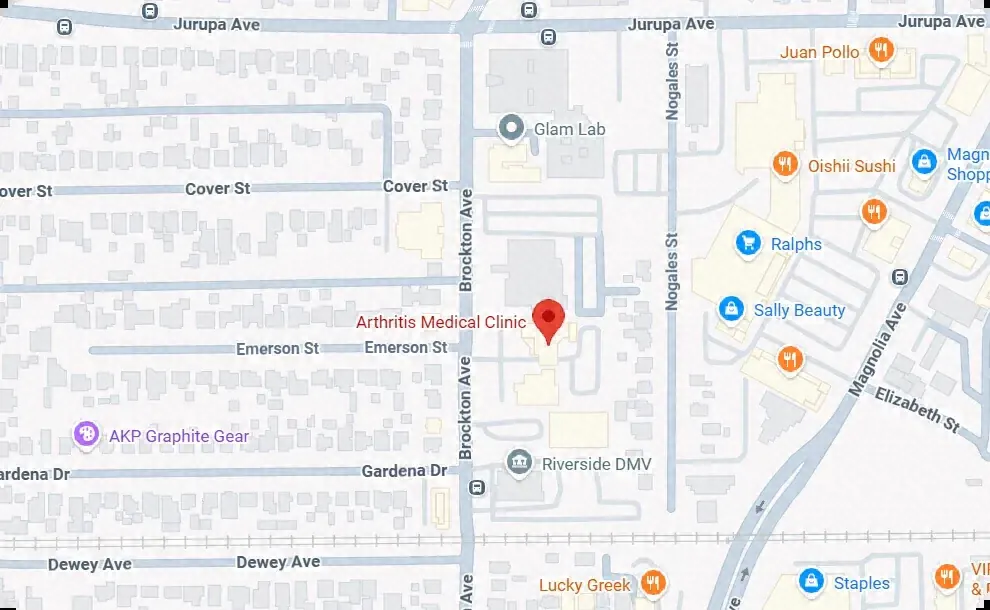
Arthritis Medical Clinic has two convenient locations in Southern California.

Office Hours

  • Monday7:00 AM – 5:00 PM
  • Tuesday7:00 AM – 5:00 PM
  • Wednesday7:00 AM – 5:00 PM
  • Thursday7:00 AM – 5:00 PM
  • Friday7:00 AM – 5:00 PM
  • SaturdayClosed
  • SundayClosed

Phones answered: Mon – Fri 9:00 AM – 5:00 PM

Wheelchair-accessible entrance and parking at every office.

Arthritis Medical Clinic logo

Request An Appointment

We are accepting new patients at both offices. Complete the form and our team will reach out to confirm a time that works for you, or call us at (951) 781-7700.

or send a request

Loading the appointment form…

Please do not include medical details in this form. In an emergency, call 911.