
Riverside
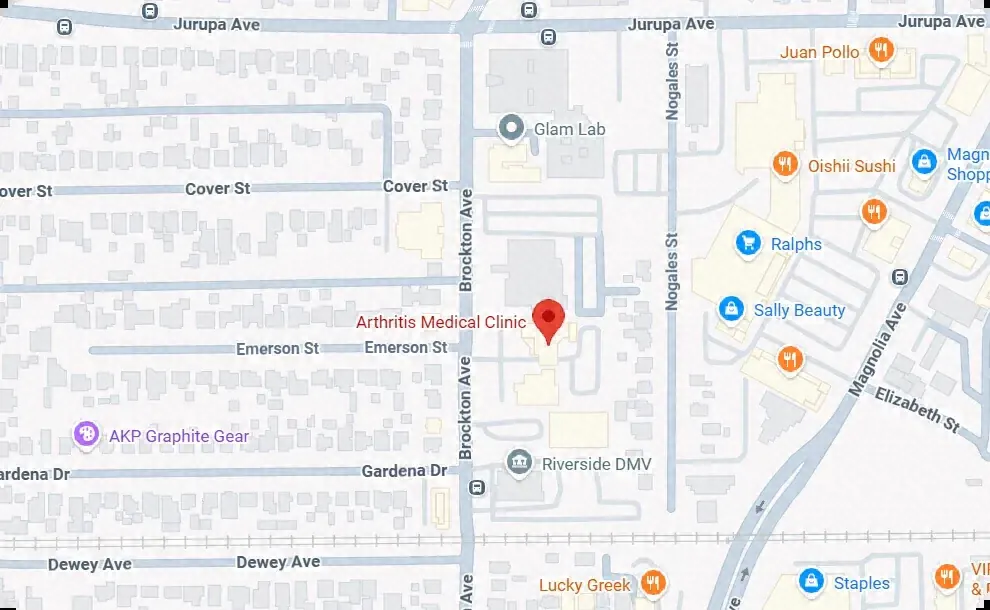
6180 Brockton Avenue, STE 204Riverside, CA 92506
info@arthritismedicalclinic.org
Get Directions to Arthritis Medical Clinic RiversideMedical review pending
Ankylosing spondylitis is a type of arthritis that causes swelling in the joints and ligaments of the spine. It can make the back stiff.

Ankylosing spondylitis is a type of arthritis. It causes inflammation, or swelling, in the joints and ligaments of the spine. It may also affect other joints, like the knees, ankles and hips. The joints and ligaments in the spine normally help us move and bend. With ankylosing spondylitis, swelling in the spine can make it stiff. In severe cases, the bones of the spine (vertebrae) may grow together. Doctors call this fusing. When the bones fuse, the spine can become stiff and unable to bend. For how the spine works, see the NIAMS page on back pain.
Many people with ankylosing spondylitis have mild bouts of back pain and stiffness that come and go. Others have severe pain that does not go away, and their spine becomes less flexible. Other symptoms may show up, based on which other parts of the body the disease affects. Some people get eye disease (uveitis), skin disease (psoriasis) or gut disease (inflammatory bowel disease).
Ankylosing spondylitis has no cure. But many treatments to help control symptoms. They may include exercise and physical or occupational therapy to help you move better and stand up straighter. Medicines can ease pain, control swelling, help your posture and slow the disease. With treatment, most people with ankylosing spondylitis can lead full, busy lives.
Anyone can get ankylosing spondylitis. But some things may raise your risk:
The most common symptom is pain and stiffness in the lower back, the hips or both. Over time, symptoms may spread to other parts of the spine or body. The pain usually gets worse when you rest or are not active. So some people hurt more in the middle of the night or after sitting a long time. Moving and exercise usually help ease the pain.
Symptoms are different for each person. Some people have mild bouts of pain that come and go. Others have severe pain that lasts. Whether symptoms are mild or severe, they may get worse during “flares.” They get better during quiet times, called remission.
The disease can affect other parts of the body. So other symptoms may show up, such as:
Researchers do not know what causes ankylosing spondylitis. But studies show that both genes and the world around us may play a part. Researchers know that a gene called HLA-B27 raises the risk. But having the gene does not mean you will get the disease. Many people have it and never get ankylosing spondylitis. This tells researchers that other outside factors also play a part.
Researchers keep finding other gene changes that may cause the disease. But so far, HLA-B27 is the main gene known to raise your risk.
To find out if you have ankylosing spondylitis, your doctor will ask about your health history and give you a physical exam. Your doctor may also order scans and lab tests to confirm it.
Your doctor may ask about your health and your family’s health. They may ask questions like these:
A physical exam may include:
Your doctor may order scans to help find out if you have ankylosing spondylitis:
Your doctor may use both X-rays and MRIs to track your disease over time.
Right now, no single test can show that you have ankylosing spondylitis. Your doctor may order a blood test for the HLA-B27 gene. Most people with the disease have it. You may have the gene and never get ankylosing spondylitis. But the test gives your doctor more facts to work with. Your doctor may also check your blood counts and signs of inflammation in your blood. These can help show how active the disease is.
Ankylosing spondylitis has no cure. But your doctor will work with you to manage it. The goals of treatment are to:
In most cases, treatment includes medicine and physical therapy. Sometimes people with severe disease need surgery to repair joint damage.
Most people with ankylosing spondylitis take medicine. It may include one or more of these:
Your doctor may suggest physical therapy to help:
A physical therapist can show you the best positions to sleep in. They can also plan an exercise program for you. Your symptoms may get worse when you are still or at rest. So it is important to stay active and exercise regularly.
Your doctor may suggest surgery if you have severe joint damage and cannot do your daily tasks. Surgery is not for everyone. You and your doctor can talk about the choices and pick what is right for you.
Before suggesting surgery, your doctor will think about:
Surgery may repair a joint or replace it.
In rare cases, people may have surgery to straighten the spine or to fix broken bones (fractures) in the spine.
Diagnosing and treating ankylosing spondylitis may take a team of health care workers. They may include:
Research shows that people who take part in their own care have less pain. They also go to the doctor less often and enjoy a better quality of life.
Caring for yourself helps you manage your ankylosing spondylitis and improve your health. You can:
Taking part in your care can help you feel sure you can handle daily tasks. That helps you live a full, active life on your own terms.
These changes in daily life can help you do more on your own and stay positive:
Source: National Institute of Arthritis and Musculoskeletal and Skin Diseases (NIAMS), NIH, last reviewed May 2023.
We Are Accepting New Patients!
info@arthritismedicalclinic.org
Get Directions to Arthritis Medical Clinic Riverside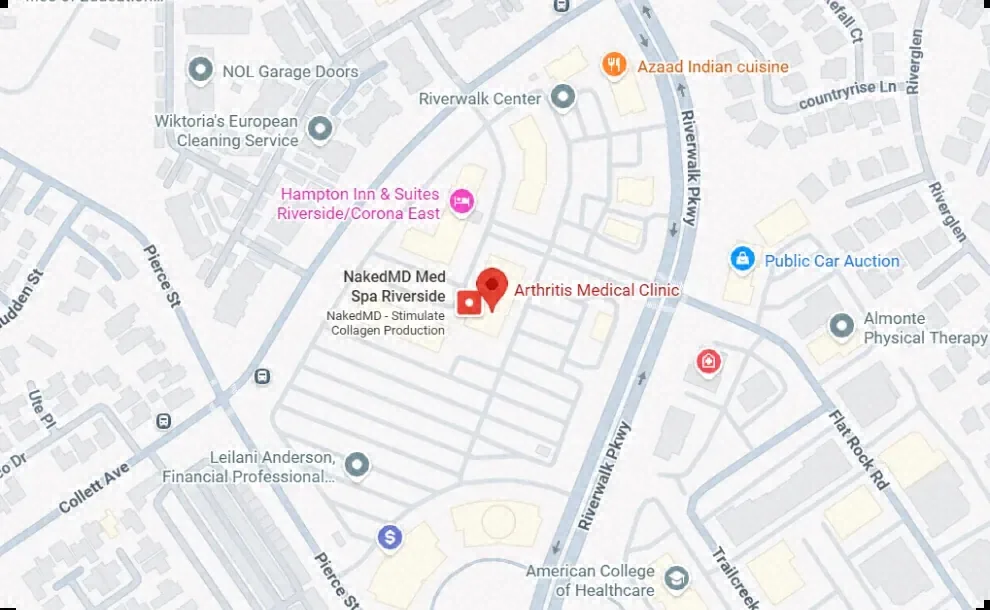
info@arthritismedicalclinic.org
Get Directions to Arthritis Medical Clinic La SierraPhones answered: Mon – Fri 9:00 AM – 5:00 PM
Wheelchair-accessible entrance and parking at every office.