Overview of Sjögren’s Disease
Sjögren’s disease is also called Sjögren’s or Sjögren’s syndrome. It is a long-lasting autoimmune disease. The immune system attacks the glands that make moisture in the eyes, mouth and other parts of the body. The main symptoms are dry eyes and a dry mouth. But it can affect other parts of the body, too. Many people say they feel tired and have joint and muscle pain. The disease can also damage the lungs, kidneys and nerves. Most people who get it are women.
Sjögren’s can happen by itself. It can also happen along with other autoimmune diseases, such as rheumatoid arthritis, lupus or Raynaud’s phenomenon.
Sjögren’s has no cure. But you can treat and manage the symptoms in several ways.
Who Gets Sjögren’s Disease?
Most people with Sjögren’s are women. It can start at any age. But it is most common in people in their 40s and 50s. It happens in people of all races and backgrounds.
Symptoms of Sjögren’s Disease
Sjögren’s can affect the body in different ways. Symptoms are different for each person. In some people, symptoms go back and forth between mild and severe.
Common symptoms include:
- Dry eyes. Your eyes may burn or itch, or feel like there is sand in them. Sometimes the dryness makes your vision blurry or makes bright light bother you. Your eyelids may get red and itchy from swelling.
- Dry mouth. Your mouth may feel chalky. You may have trouble swallowing, speaking and tasting. Saliva protects your mouth. Without enough of it, you may get more tooth decay (cavities). You may also get more mouth infections, such as thrush (candidiasis).
For some people, the main problem is a dry mouth. For others, it is dry eyes. Some people have both just as much. Sometimes Sjögren’s affects other tissues and organs and has wider effects on the body. These may include:
- Feeling tired.
- Joint pain.
- Dry skin.
- A dry nose and throat, and a dry cough.
- Skin rashes.
- Sore muscles.
- Acid reflux.
- Vaginal dryness.
- Swollen glands around the face and neck.
- Trouble sleeping.
- Trouble focusing and remembering.
- Numbness, tingling and weakness, mostly in the hands and feet.
- Shortness of breath or trouble breathing.
- Weak muscles.
The symptoms can be severe. Some people say their pain and tiredness make daily life hard.
People with Sjögren’s have a higher chance of getting a type of cancer called lymphoma. But the risk is still low.
Causes of Sjögren’s Disease
Sjögren’s is an autoimmune disease. The immune system attacks healthy tissues. Normally, the immune system protects the body from germs and disease.
Researchers do not know what makes the immune system turn on the body. But they think both genes and the world around us play a part. Studies have linked Sjögren’s to changes in several genes. Many of these genes help run the immune system.
In Sjögren’s, the immune system attacks the glands that make tears and saliva. The swelling damages the glands. Then they cannot make as much of the fluids that keep the eyes and mouth moist. Sometimes the immune system attacks other parts of the body as well. This harms other organs and tissues and causes other symptoms.
Diagnosis of Sjögren’s Disease
No single test can show Sjögren’s. So doctors usually ask about your symptoms and do a series of tests. A rheumatologist, who is an expert in autoimmune diseases, may diagnose it. But an eye doctor (ophthalmologist) or a dentist may also do some tests to help. The diagnosis depends on how well your tear and saliva glands work. It also depends on whether there are signs that your immune system is attacking your body.
Your doctor may ask about your health history. They will ask about dryness in your eyes and mouth, such as when it started and whether you feel it every day. Your doctor may also order these tests:
- Eye tests. They show if you make a normal amount of tears. They also show if dryness has damaged your eyes.
- Saliva gland tests. They measure how much saliva your mouth makes. An ultrasound or a biopsy can show if swelling has changed the gland tissue. A biopsy takes a tiny piece of tissue to look at under a microscope.
- Blood tests. They can find antibodies that are often found in people with Sjögren’s and other autoimmune diseases. These antibodies can help doctors diagnose Sjögren’s. But they cannot prove it alone. Healthy people and people with other diseases can have them, too.
Your doctor may order other lab tests or scans to see if another disease or problem is causing your symptoms.
Treatment of Sjögren’s Disease
Sjögren’s has no cure. So treatment focuses on easing symptoms and preventing problems. Treatment is different for each person. It depends on which parts of the body are affected. Your plan will likely mix things you can do yourself with medicines from the store and by prescription. Tell your doctor which medicines you take. Some can make dry eyes and dry mouth worse.
Eye Treatments
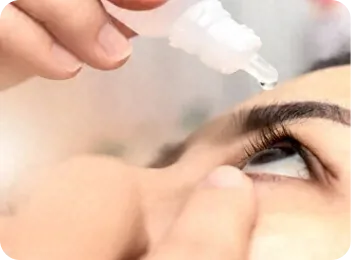
- Eye drops (artificial tears). Eye drops come in many kinds. You may need to try a few to find the one that works best for you. Some people need prescription eye drops. These have medicines that calm the immune system and ease swelling in the eye.
- Eye ointments. These are thicker than eye drops. They keep the eyes wet for several hours. They can make your vision blurry, so most people use them while they sleep.
- Plugs for the tear ducts. Small plugs go in the tear ducts at the corners of your eyes. They stop tears from draining, so tears stay in your eyes longer. It only takes a few minutes and is done at an eye doctor’s office.
Mouth Treatments
- Artificial saliva. A saliva substitute prescribed by a doctor helps your mouth feel wet.
- Medicines that help you make saliva. They make your saliva glands make more saliva. They also help you make more tears.
- Anti-fungal medicines. These treat fungal infections, such as thrush (candidiasis). These infections are more common in people with a dry mouth.
- Pain relievers, from the store or by prescription. They ease joint and muscle pain and pain from swollen glands.
- Disease-modifying antirheumatic drugs (DMARDs) and antimalarial medicines. Doctors often prescribe them for people with joint pain, rashes and other serious effects of the disease. These medicines are not approved for Sjögren’s itself. But they may help some people with it.
- Corticosteroids. These medicines help control swelling and pain. Because they are strong, your doctor will give you the lowest dose that works. They are usually only used for people with rare, serious effects of the disease.
- Acid reflux medicines. Making less saliva may make the stomach more acidic in people with Sjögren’s. Some people take these medicines to help with this.
Who Treats Sjögren’s Disease?
The main doctors who treat Sjögren’s are:
- Rheumatologists. They treat diseases of the joints, muscles and bones. They are also experts in autoimmune diseases.
Other specialists may also help with your care:
- Dentists, who care for your gums and teeth.
- Mental health professionals. They help people cope with problems at home and at work that may come from their health.
- Nephrologists, who treat kidney problems.
- Neurologists, who treat diseases of the nerves, brain and spinal cord.
- Eye doctors (ophthalmologists), who care for the eyes.
- Ear, nose and throat doctors (otolaryngologists).
- Primary care doctors, such as family doctors or internal medicine doctors. They help your providers work together and treat other problems as they come up.
- Pulmonologists, who treat lung diseases.
Living With Sjögren’s Disease
The symptoms of Sjögren’s can be managed. Most people can expect to live a normal life. These tips can make living with Sjögren’s easier.
Caring for your eyes:
- Protect your eyes from drafts, wind and smoky rooms.
- Get glasses with shields on the sides, or wear glasses that wrap around.
- Do not use eye drops that bother your eyes. If one brand or prescription bothers you, try another. If you use drops four or more times a day, you usually need drops without preservatives.
- Put humidifiers in the rooms where you spend the most time, including your bedroom. Or put a humidifier in your home’s heating and air conditioning system.
- If your eyelids get swollen (blepharitis), put warm, wet cloths on your eyes to ease the pain. You can also gently wash your eyelids with water mixed with a little mild soap, such as baby shampoo.
Caring for your mouth:
- Brush and floss your teeth regularly. Some kinds of toothpaste are made for people with a dry mouth. Most people should use toothpaste with fluoride to help prevent cavities.
- Carry a water bottle and sip from it all day to keep your mouth moist. Drinking enough water also helps with dry eyes.
- Chew gum or suck on hard candy. This helps your glands make more saliva. Try to use sugar-free gum and candy.
- See a dentist at least twice a year to have your teeth checked and cleaned. Ask your dentist about fluoride treatments.
- See your doctor or dentist if you have signs of thrush (candidiasis). These include burning, soreness and white patches inside your mouth.
Managing other symptoms:
- Moisturize other dry areas.
- For dry skin, put lotion on your skin often. Use products made for extra dry skin.
- Use lip balm, such as one with petroleum jelly, for dry lips.
- Use vaginal moisturizers or estrogen creams for vaginal dryness.
- Use saline (salt water) sprays for a dry nose.
- Learn about the disease and get support.
- Learn as much as you can about Sjögren’s. Join a support group to talk with others who have it. A support network can help you get through hard times.
- Living with a long-term disease can be hard. See a mental health professional if you have emotional problems.
- Keep a healthy weight and watch what you eat to help control acid reflux. Eat slowly. Stay away from common triggers such as fried and fatty foods, tomato sauce and onions.
- Eat a healthy, balanced diet and exercise regularly. This helps fight tiredness and helps you sleep better. Check with your doctor before you start to exercise.
See your health care providers regularly and follow their advice.