
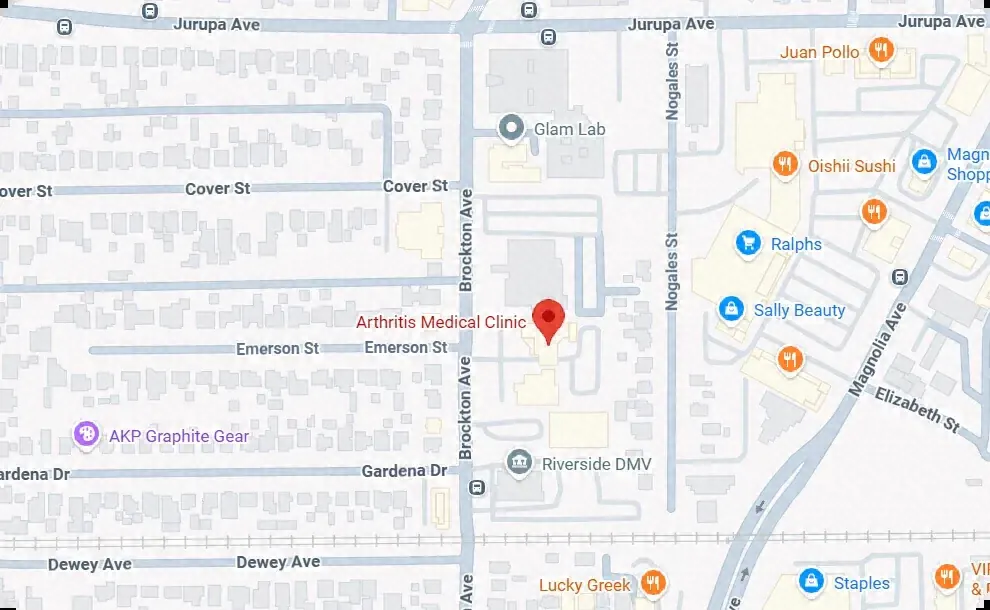
Riverside
6180 Brockton Avenue, STE 204Riverside, CA 92506
info@arthritismedicalclinic.org
Get Directions to Arthritis Medical Clinic RiversideMedical review pending
Relapsing polychondritis is a rare disease that makes cartilage and other tissues swell again and again. It often affects the ears, nose and airways.
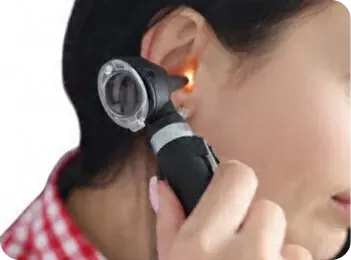
Relapsing polychondritis (RP) causes swelling and irritation of cartilage and other tissues in the body. It happens again and again. Cartilage is a tough but bendable tissue. It covers the ends of bones where they meet at a joint. It also gives shape and support to other parts of the body, such as the ears, nose and windpipe.
RP can also affect the windpipe (trachea), the cartilage of the ribs, and the eyes, heart, blood vessels, skin, kidneys and nerves. The signs are different for each person. They depend on which parts of the body are affected. As the name says, the swelling tends to come in flares. It calms down and then comes back.
RP is rare. It can start at any age but most often starts in middle age. No one knows the exact cause. Experts think genes and other things play a part. RP often happens along with other autoimmune diseases.
Doctors diagnose RP from your symptoms and an exam. They may need to rule out other, more common problems first. Your rheumatologist may order:
Treatment depends on which tissues are affected and how active the disease is. It aims to control swelling during flares. It also aims to prevent damage to the ears, nose, airways, eyes and heart. Medicines that calm the immune system are the main treatment. People whose airways or heart are affected are watched closely by a team of specialists.
We Are Accepting New Patients!
info@arthritismedicalclinic.org
Get Directions to Arthritis Medical Clinic Riverside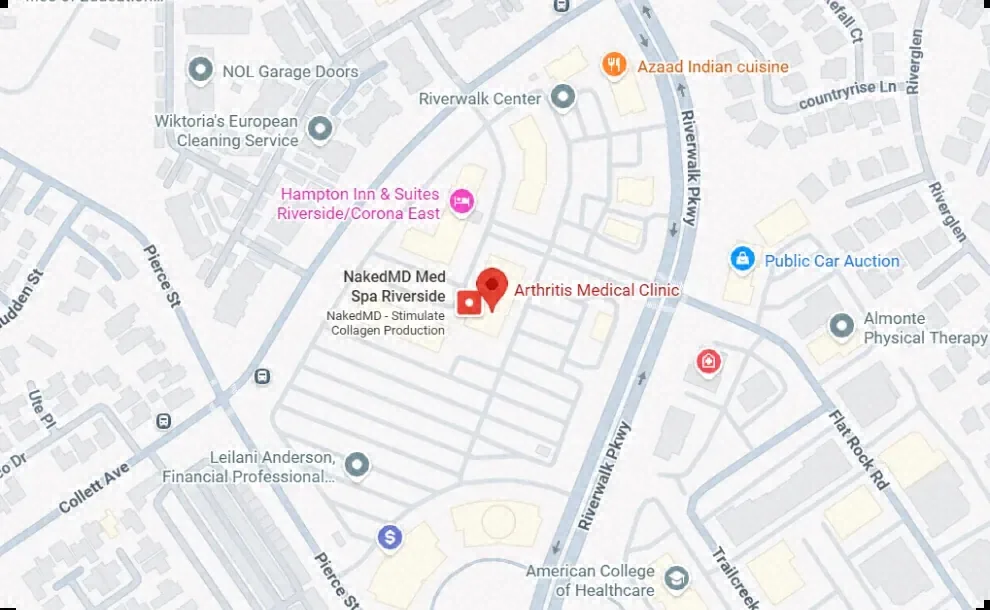
info@arthritismedicalclinic.org
Get Directions to Arthritis Medical Clinic La SierraPhones answered: Mon – Fri 9:00 AM – 5:00 PM
Wheelchair-accessible entrance and parking at every office.