Riverside
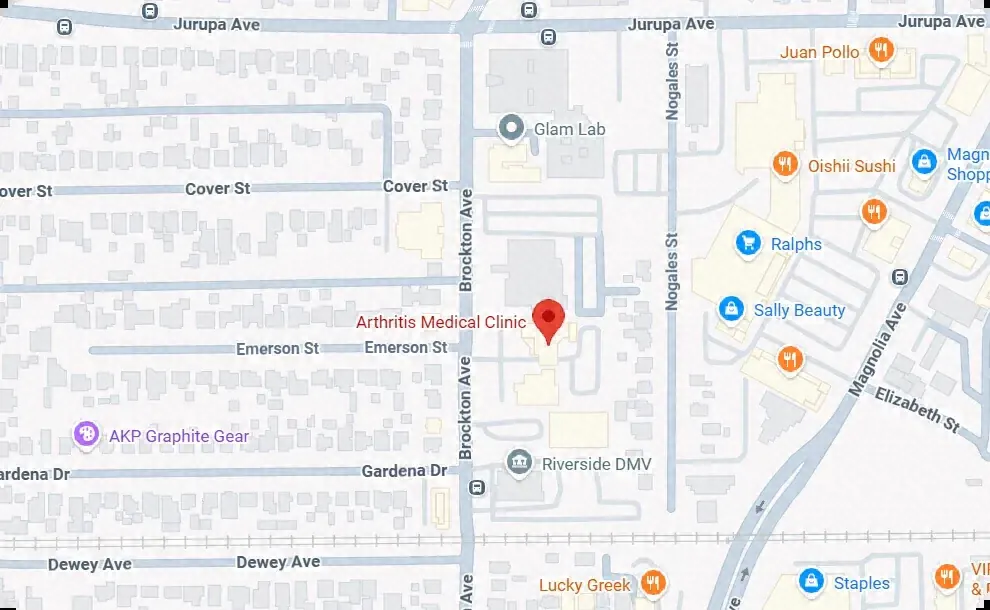
6180 Brockton Avenue, STE 204Riverside, CA 92506
info@arthritismedicalclinic.org
Get Directions to Arthritis Medical Clinic RiversideMedical review pending
Sarcoidosis is a disease that makes tiny clumps of immune cells, called granulomas, form in organs. It most often affects the lungs, skin, eyes and joints.

Sarcoidosis is a disease that causes swelling, or inflammation, in the body. No one knows what causes it. It can affect many organs. Its main sign is granulomas. These are tiny clumps of immune cells that form inside the tissues it affects.
It most often affects the lungs and the lymph nodes in the chest. But it can also affect the eyes, skin, joints, heart, kidneys, nerves and other organs. Many people have no symptoms. They find out by chance from a chest X-ray. In many people, the disease calms down on its own. In others, it lasts longer and needs treatment. Because it can affect several organs, a team often shares the care. The team may include a rheumatologist, a lung doctor and other specialists.
Sarcoidosis can start at any age. It most often starts in adults between 20 and 60. In the United States, it is more common in African Americans than in White Americans. It is most common in African American women. Experts think genes play a part. So may things in the world around us, such as some dusts and chemicals.
Doctors first rule out other causes, such as infections. Then they put the pieces together: your symptoms, your scans and, most of the time, a biopsy. A biopsy is a tiny piece of tissue checked under a microscope. With sarcoidosis, it shows granulomas. Common tests include:
Not everyone with sarcoidosis needs treatment. Some people have no symptoms. Others have a mild form that is not getting worse. These people are often watched with regular checkups, scans and breathing tests. Treatment is needed when symptoms are hard to live with or an organ is at risk. It usually starts with corticosteroids, which calm the swelling. People who need longer treatment may take other medicines that calm the immune system.
We Are Accepting New Patients!
info@arthritismedicalclinic.org
Get Directions to Arthritis Medical Clinic Riverside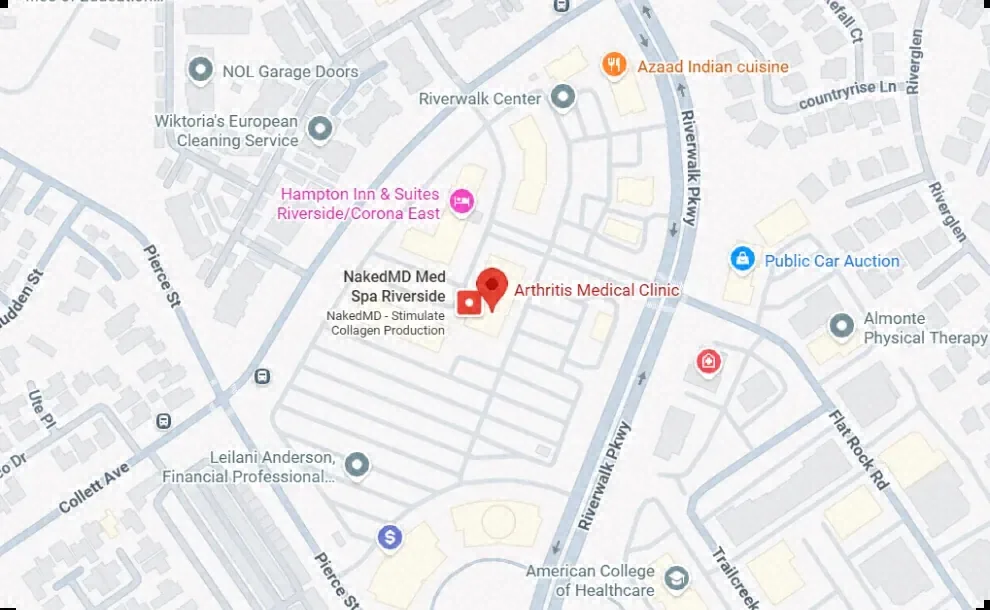
info@arthritismedicalclinic.org
Get Directions to Arthritis Medical Clinic La SierraPhones answered: Mon – Fri 9:00 AM – 5:00 PM
Wheelchair-accessible entrance and parking at every office.