
Psoriatic Arthritis Treatment in Riverside, CA

Medical review pending

Psoriatic arthritis causes swollen, painful joints and soreness where tendons attach to bone. It gets worse over time without treatment.
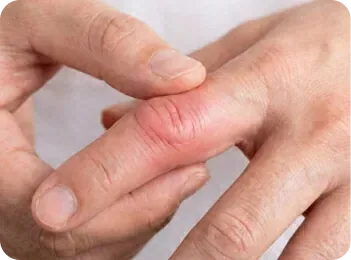
Psoriatic Arthritis – patient symptom photo

Overview of Psoriatic Arthritis

Psoriatic arthritis is a disease that causes inflammation, or swelling, that tends to get worse over time. It affects the joints. It also affects the places where tendons and ligaments attach to bones. These places are called entheses. For reasons no one knows yet, the immune system works too hard and causes swelling. This leads to pain. Most people who get psoriatic arthritis already have psoriasis, a skin disease, when they are diagnosed. But a small group have joint pain before the skin rash.

Symptoms show up in different ways in different people. That can make the disease hard to diagnose. But see your doctor soon if you have joint symptoms. Early treatment leads to better results and less damage from the disease.

Psoriatic arthritis has no cure. But doctors now understand the disease better. Treatments can slow it down, ease pain and protect the joints.

Who Gets Psoriatic Arthritis?

Anyone can get psoriatic arthritis. But it is most common in adults. Men and women get it equally. Most people who get it already have psoriasis. On average, psoriatic arthritis starts about 7 to 10 years after the skin symptoms begin. It is not yet clear who will get it. But among people with psoriasis, obesity and severe psoriasis seem to raise the risk. Sometimes stress, an injury to the joints or bones, or an infection may set off the disease.

Symptoms of Psoriatic Arthritis

Symptoms of psoriatic arthritis differ a lot from person to person. They may include:

  • Scaly, red patches of skin, as seen with psoriasis. They are often on the scalp, elbows or knees.
  • Stiffness, pain and swelling in one or more joints. The joints of the spine can be affected, too. This can make the neck, lower back and hips stiff. Joint stiffness is often worse in the morning or after rest.
  • Feeling tired often, or having little energy.
  • Soreness in the entheses, where tendons or ligaments attach to bones. The back of the heel and the sole of the foot are often affected.
  • A whole finger or toe that swells up like a sausage and hurts.
  • Changes in the nails, such as tiny dents (pitting) or crumbling. Nails can also come away from the nail bed.
  • Swelling in the eye. This is most often uveitis, which is swelling of the middle layer of the eye. It can cause eye pain, redness and blurry vision. It must be treated quickly to avoid vision loss.
  • Inflammatory bowel disease, which causes swelling in the gut. This happens in some people.

Causes of Psoriatic Arthritis

Psoriatic arthritis is an immune-mediated disease. That means your immune system works too hard and causes problems. Scientists do not fully understand why this happens. But they know some things may set off your immune system and cause the disease:

  • Genes. Many people who get psoriatic arthritis have family members who have it. Researchers have found some of the genes involved.
  • The world around you. Things such as obesity, infection, injury or stress may start the disease.

Diagnosis of Psoriatic Arthritis

No single test can show for sure that you have psoriatic arthritis. To find out, your doctor may:

  • Ask if anyone in your family has psoriasis or psoriatic arthritis.
  • Talk to you about your symptoms and give you a physical exam. Swollen, sore joints, psoriasis patches on the skin and nail changes are important signs.
  • Check your skin for signs of psoriasis, if you have never been diagnosed with it.
  • Take a blood sample to check for other problems, such as rheumatoid arthritis.
  • Order scans such as X-rays, ultrasounds or an MRI. These can show changes in the joints, the entheses or the spine.

Treatment of Psoriatic Arthritis

Treatment for psoriatic arthritis keeps getting better. Many people get relief from symptoms and enjoy a better quality of life. Your treatment plan depends on your symptoms and how bad they are. You may need to try different medicines to find one that works. Or you may use more than one at a time.

Milder forms of the disease may be treated with:

  • Anti-inflammatory and pain medicines from the store. They can ease pain and swelling.
  • Shots of corticosteroids into the joints that hurt. These are strong medicines that fight swelling. Because they are strong, your doctor will give you the lowest dose that works.

Disease that lasts or is severe may be treated with:

  • Disease-modifying antirheumatic drugs (DMARDs). You take these by mouth. They calm the whole immune system and help ease the signs and symptoms of the disease.
  • Biologic medicines and “targeted” medicines taken by mouth. They block certain signals the immune system sends. This helps lower or stop swelling and prevent future damage.

Who Treats Psoriatic Arthritis?

These health care providers treat psoriatic arthritis:

  • Rheumatologists. They are experts in arthritis, including psoriatic arthritis, and other diseases of the bones, joints and muscles.
  • Dermatologists. They treat problems with the skin, hair and nails.
  • Physiatrists. These rehab doctors oversee exercise programs.
  • Occupational therapists. They teach you ways to protect your joints, ease pain, do daily tasks and save energy.
  • Physical therapists. They help your joints work better.
  • Primary care providers, such as family doctors, internists and pediatricians. They treat problems as they come up. They also help your other providers work together.
  • Dietitians. They teach you about healthy eating and keeping a healthy weight.

Living With Psoriatic Arthritis

Psoriatic arthritis can affect your daily life. But there are ways to lessen its effects. Besides seeing your doctor regularly, here are some things you can try:

  • If you smoke, work with your doctor on a plan to quit. Some studies show that the more a person smokes, the worse their symptoms tend to be.
  • Reach and keep a healthy weight. This puts less strain on your joints. It may also help your medicines work better.
  • Try different kinds of exercise and find the best one for you. Gentle activities may help most. Examples are walking, biking, swimming, yoga and tai chi. Talk with your doctor before you start any exercise program.
  • Protect your joints. For example, push a door open with your whole body, not just your fingers.
  • Get support to help you cope with the feelings that come with psoriatic arthritis. You might join a support group or see a counselor. They can help you find more ways to cope and live with the disease.

Taking part in your care can help you feel sure you can handle daily tasks. That helps you live a full, active life on your own terms.


Elevating Rheumatology Care to the Highest Standard of Excellence

We Are Accepting New Patients!

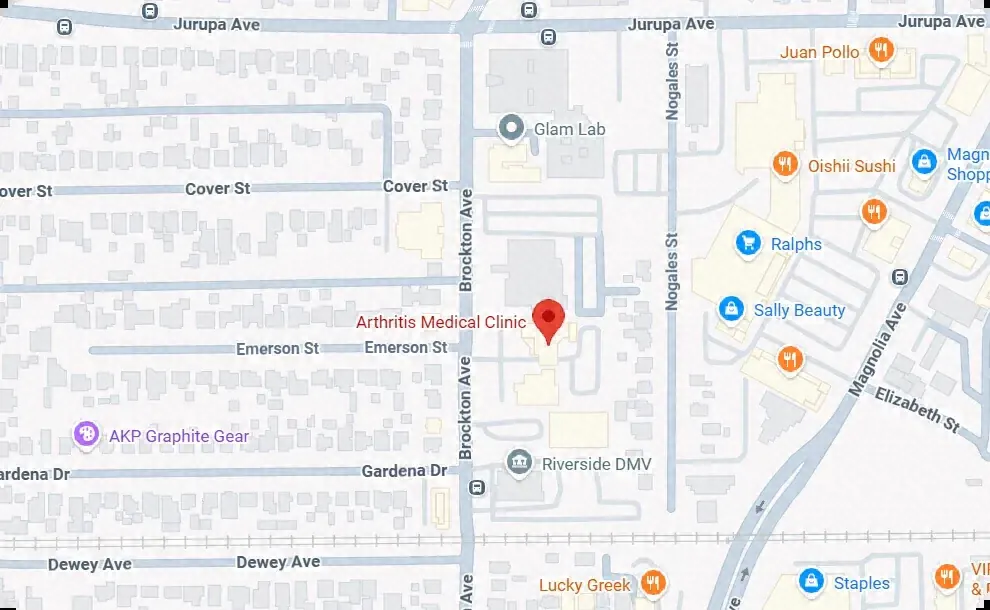
Arthritis Medical Clinic has two convenient locations in Southern California.

Office Hours

  • Monday7:00 AM – 5:00 PM
  • Tuesday7:00 AM – 5:00 PM
  • Wednesday7:00 AM – 5:00 PM
  • Thursday7:00 AM – 5:00 PM
  • Friday7:00 AM – 5:00 PM
  • SaturdayClosed
  • SundayClosed

Phones answered: Mon – Fri 9:00 AM – 5:00 PM

Wheelchair-accessible entrance and parking at every office.

Arthritis Medical Clinic logo

Request An Appointment

We are accepting new patients at both offices. Complete the form and our team will reach out to confirm a time that works for you, or call us at (951) 781-7700.

or send a request

Loading the appointment form…

Please do not include medical details in this form. In an emergency, call 911.