
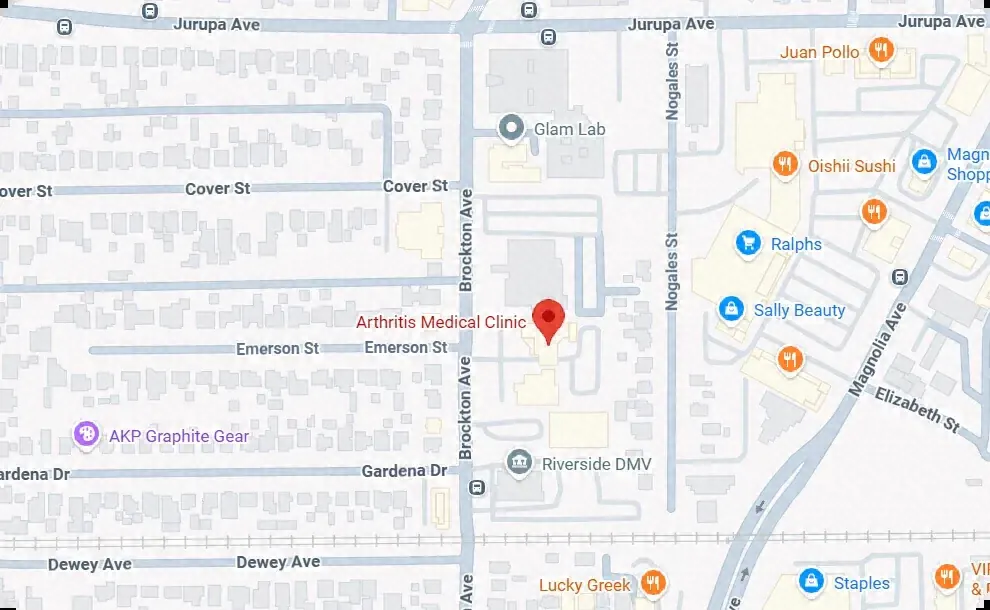
Riverside
6180 Brockton Avenue, STE 204Riverside, CA 92506
info@arthritismedicalclinic.org
Get Directions to Arthritis Medical Clinic RiversideMedical review pending
CREST syndrome is a form of scleroderma. Fingers that hurt in the cold, heartburn and tight skin can all be signs.
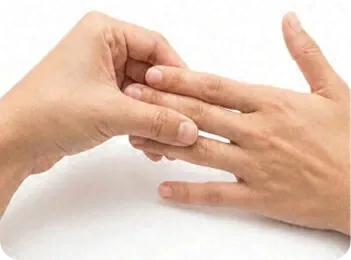
As a rheumatologist, I have met many patients who spent years searching for answers before finally being diagnosed with CREST Syndrome.
Often, their symptoms seemed unrelated at first.
One patient noticed her fingers turning white whenever she held a cold drink. Another struggled with persistent heartburn that wouldn’t improve despite treatment. Others developed tightening skin on their hands or tiny red spots on their face and lips.
What connected all these symptoms?
The answer was CREST Syndrome, a form of systemic sclerosis (scleroderma) that primarily affects the skin, blood vessels, digestive system, and connective tissues.
Because CREST Syndrome develops gradually, many patients do not realize their symptoms are connected until several years after the condition starts.
Early diagnosis is vital because treatment can help manage symptoms, reduce complications, and maintain quality of life.
In this guide, I will explain what CREST Syndrome is, discuss the warning signs to look for, describe the diagnostic process, and outline the treatment options available today.
CREST Syndrome is a subtype of limited cutaneous systemic sclerosis, a chronic autoimmune disease that causes abnormal collagen production and blood vessel damage.
The term “CREST” is an acronym representing five common features of the condition:
Unlike diffuse systemic sclerosis, CREST Syndrome usually progresses more slowly and often affects the skin of the fingers, hands, forearms and face. However, internal organs may also become involved over time.
The exact cause of CREST Syndrome remains unknown. Researchers believe that the disease develops due to a combination of:
In CREST Syndrome, the immune system mistakenly attacks healthy tissues, causing inflammation and excessive collagen production. This causes skin thickening, blood vessel damage and connective tissue scarring.
Recognizing these hallmark symptoms can help identify the disease earlier.
Calcinosis occurs when calcium deposits build up beneath the skin. Patients may notice hard bumps, tender nodules, white chalky material draining from the skin, or pain around joints. Common locations include the fingertips, elbows, knees and forearms. These deposits may become painful or infected.
For many patients, Raynaud’s phenomenon develops years before other symptoms appear. During an attack, fingers turn white, then blue, then red as blood flow returns. Episodes may be triggered by cold temperatures, air conditioning or emotional stress. Symptoms can include numbness, tingling, pain and burning sensations. In severe cases, poor circulation can lead to fingertip ulcers.
The esophagus moves food from the mouth into the stomach. In CREST Syndrome, the muscles of the esophagus may weaken. This can cause heartburn, acid reflux, difficulty swallowing, food sticking in the throat, and chronic cough. Many patients seek treatment for digestive symptoms long before being diagnosed with a rheumatologic condition.
Sclerodactyly is the thickening and tightening of the skin on the fingers. Patients often notice puffy fingers initially, then tight, shiny skin, difficulty bending fingers and reduced hand mobility. Over time, everyday tasks such as buttoning clothes or opening jars can become difficult.
Telangiectasias are small, widened blood vessels that are visible beneath the skin. They typically appear on the face, lips, hands and mouth. These spots are usually painless, but they may become more noticeable over time.
Although the CREST acronym covers the classic features, many patients also experience additional symptoms:
Although CREST Syndrome usually progresses more slowly than diffuse systemic sclerosis, complications may still occur.
One of the most serious complications is pulmonary arterial hypertension (PAH), elevated blood pressure in the arteries of the lungs. Symptoms may include shortness of breath, fatigue, chest discomfort and dizziness. Routine monitoring is essential because early treatment can improve outcomes.
Some patients develop inflammation or scarring of the lung tissue. Possible symptoms include chronic cough, breathlessness and reduced exercise tolerance.
Reduced circulation may lead to finger ulcers, skin breakdown and infection. Early treatment helps protect blood flow.
Long-term esophageal dysfunction can contribute to chronic reflux, esophageal inflammation and nutritional challenges.
Diagnosing CREST Syndrome requires a comprehensive evaluation. No single test confirms the diagnosis. Instead, rheumatologists combine medical history, physical examination, blood testing and imaging studies.
There is currently no cure for CREST Syndrome, but treatment can significantly improve symptoms and quality of life. Treatment is individualized based on disease severity and organ involvement.
Many patients live active, fulfilling lives despite their diagnosis. Helpful strategies include staying physically active, protecting hands from cold, managing stress, following treatment recommendations and attending routine specialist visits.
You should consider evaluation if you experience Raynaud’s phenomenon, tightening skin on the fingers, persistent acid reflux, calcium deposits under the skin, or unexplained autoimmune symptoms. Early diagnosis can help reduce the risk of long-term complications.
CREST Syndrome is a subtype of systemic sclerosis, often called limited cutaneous systemic sclerosis.
Many patients live long lives with proper management. However, complications such as pulmonary hypertension require careful monitoring.
Yes. The lungs, digestive tract, and blood vessels may become involved.
Raynaud’s phenomenon is often the earliest sign and may appear years before diagnosis.
A rheumatologist typically coordinates care, often working alongside pulmonologists, gastroenterologists, dermatologists, and cardiologists.
One of the most important lessons I’ve learned from caring for patients with CREST Syndrome is that early symptoms should never be dismissed.
Cold-sensitive fingers, chronic reflux, or subtle skin changes may seem minor on their own, but together they can tell a much larger story.
The earlier CREST Syndrome is recognized, the sooner we can begin protecting blood vessels, preserving organ function, and improving long-term outcomes.
With modern monitoring, individualized treatment, and ongoing care, many people with CREST Syndrome continue to work, travel, exercise, and enjoy a full and active life.
We Are Accepting New Patients!
info@arthritismedicalclinic.org
Get Directions to Arthritis Medical Clinic Riverside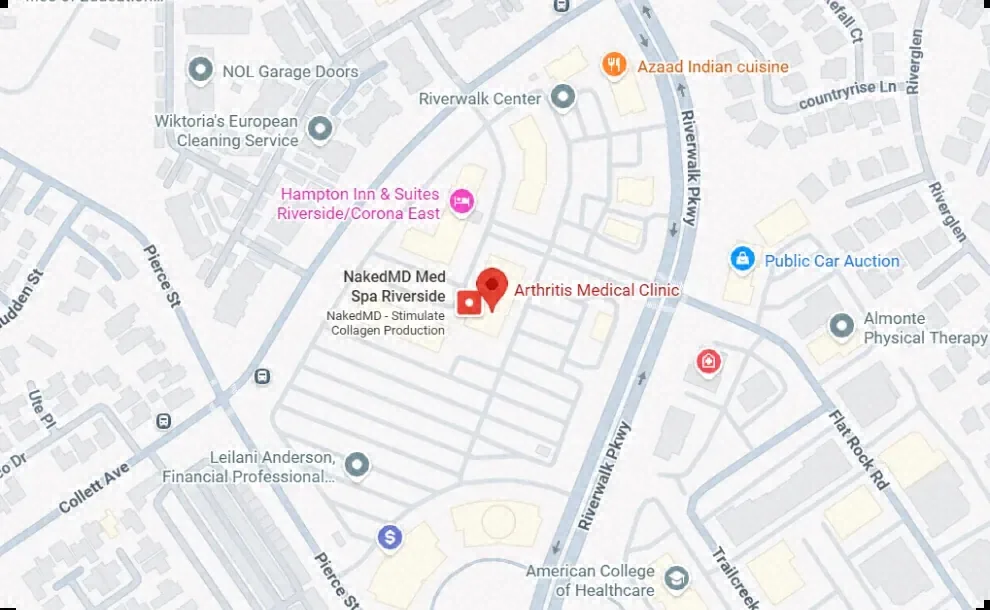
info@arthritismedicalclinic.org
Get Directions to Arthritis Medical Clinic La SierraPhones answered: Mon – Fri 9:00 AM – 5:00 PM
Wheelchair-accessible entrance and parking at every office.