
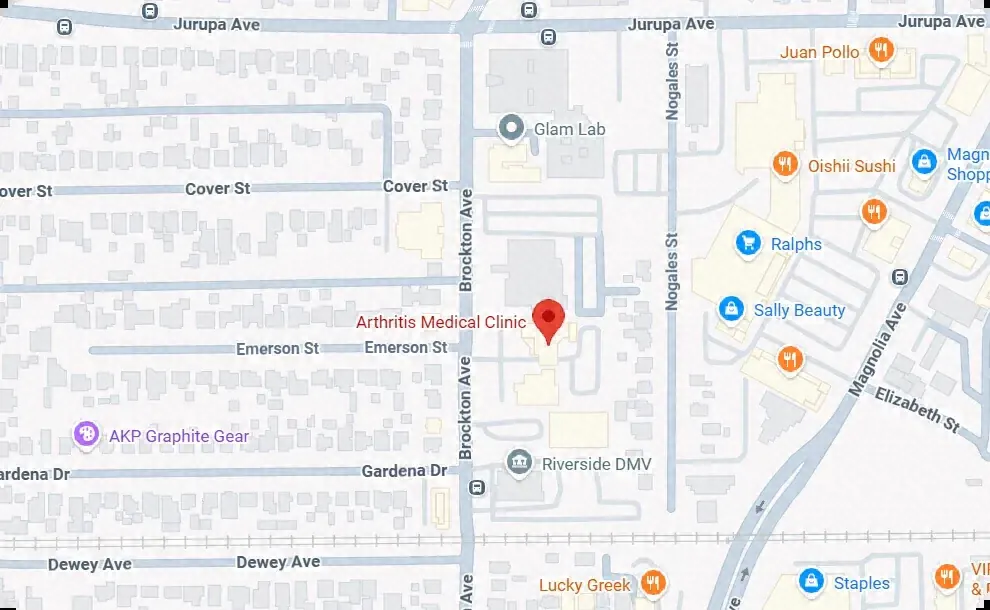
Riverside
6180 Brockton Avenue, STE 204Riverside, CA 92506
info@arthritismedicalclinic.org
Get Directions to Arthritis Medical Clinic RiversideMedical review pending
Systemic sclerosis (scleroderma) is one autoimmune disease with many signs. It can bring cold fingers, tight skin, heartburn and shortness of breath.
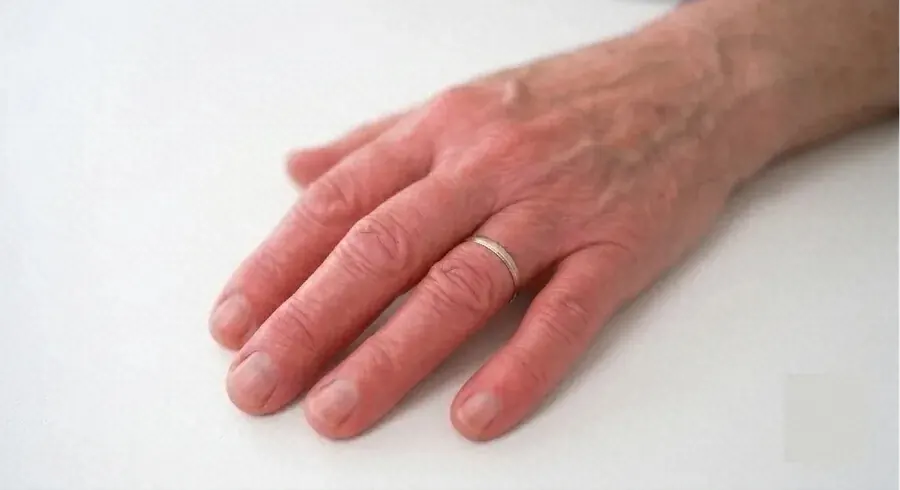
As a rheumatologist, I’ve found that few autoimmune diseases are as misunderstood as Systemic Sclerosis, commonly known as Scleroderma.
Many patients initially seek care for symptoms that seem unrelated: cold fingers, tight skin, acid reflux, joint pain, fatigue and shortness of breath. Most people never realize these symptoms could be connected.
Unfortunately, Systemic Sclerosis (Scleroderma) is often diagnosed later than it should be because its early warning signs are frequently mistaken for common conditions.
The reality is that Systemic Sclerosis (Scleroderma) is much more than a skin disease. It is a complex autoimmune disorder that can affect blood vessels, connective tissues, internal organs, joints, and the immune system itself.
The encouraging news is that modern treatments and earlier recognition are helping patients achieve better outcomes than ever before. Recognizing the warning signs is the first step toward protecting your health.
Systemic Sclerosis is a chronic autoimmune disease that leads to abnormal collagen production and widespread inflammation of connective tissues. Collagen is a protein that helps support the skin and internal organs.
In people with Systemic Sclerosis, excessive collagen accumulates in tissues, causing skin thickening, blood vessel damage, organ involvement, joint symptoms and progressive fibrosis.
The word “scleroderma” literally means “hard skin.” However, this name can be misleading since the disease often affects much more than just the skin.
One of the biggest challenges in rheumatology is detecting Systemic Sclerosis early. Symptoms often develop gradually over months or years. Patients may visit dermatologists, gastroenterologists, pulmonologists and primary care physicians before ever seeing a rheumatologist.
Many early symptoms seem unrelated. The key is recognizing the pattern.
The exact cause remains unknown. Researchers believe multiple factors contribute:
Understanding the type of disease helps guide treatment and prognosis.
This form primarily affects the hands, forearms and face. Skin involvement progresses more slowly. People with this type often develop Raynaud’s phenomenon, pulmonary hypertension and digestive symptoms.
This form affects larger areas of skin, including the arms, legs, chest and abdomen, and carries a higher risk of organ involvement. Diffuse disease often progresses more rapidly.
Recognizing symptoms early may lead to earlier diagnosis and treatment.
Skin changes are among the most recognizable features of the disease. Patients may develop tight, thickened, shiny skin with reduced flexibility, most often on the fingers, hands, face and forearms. Over time, facial expressions may become limited as a result of skin tightening.
Many people are unaware that joint symptoms are common with this disease. Inflammation may cause pain, swelling, stiffness and reduced mobility. Joint symptoms can resemble rheumatoid arthritis, osteoarthritis or lupus arthritis. This overlap often leads to delayed diagnosis.
One reason Systemic Sclerosis requires close monitoring is the possibility of internal organ involvement.
There is no single test that confirms every case. Diagnosis requires a comprehensive evaluation.
Although there is currently no cure, many treatments can help control symptoms and prevent complications. Treatment depends on disease type, organ involvement and disease severity.
Medical treatment is essential, but healthy lifestyle habits also play a major role in managing Systemic Sclerosis.
Receiving a diagnosis of Systemic Sclerosis (Scleroderma) can feel overwhelming. However, treatment advances have changed the outlook dramatically. Many patients successfully work full-time, travel, exercise, raise families and maintain active lifestyles. Success depends on early diagnosis, ongoing monitoring, and individualized care.
Complete remission is uncommon. However, many patients achieve stable disease, improved symptoms, reduced progression and better quality of life. The earlier treatment begins, the greater the opportunity to prevent complications.
Consider seeking evaluation if you experience Raynaud’s phenomenon, tight skin, puffy fingers, persistent joint pain, acid reflux with autoimmune symptoms, shortness of breath, or finger ulcers. Early evaluation may significantly improve outcomes.
Yes. Systemic Sclerosis is the medical term, while Scleroderma is commonly used to describe the disease.
Yes. It occurs when the immune system mistakenly attacks healthy tissues.
Raynaud’s phenomenon is often the earliest warning sign.
Yes. Lung involvement is one of the most important complications to monitor.
Currently, there is no cure, but effective treatments are available.
A rheumatologist specializes in diagnosing and managing Systemic Sclerosis and related autoimmune diseases.
If there is one message I want patients to remember, it is this: Systemic Sclerosis (Scleroderma) is much more than a skin condition.
The disease affects blood vessels, connective tissues, joints, and potentially internal organs. Symptoms that seem unrelated—cold fingers, reflux, fatigue, and tight skin—may all be part of the same underlying autoimmune process.
The good news is that earlier diagnosis and better treatments have transformed outcomes for many patients. Modern rheumatology allows us to identify complications sooner, intervene earlier, and help patients maintain a higher quality of life than ever before.
If you are experiencing Raynaud’s phenomenon, unexplained skin changes, or persistent inflammatory symptoms, seeking evaluation from a rheumatologist could be one of the most important steps you take for your long-term health.
We Are Accepting New Patients!
info@arthritismedicalclinic.org
Get Directions to Arthritis Medical Clinic Riverside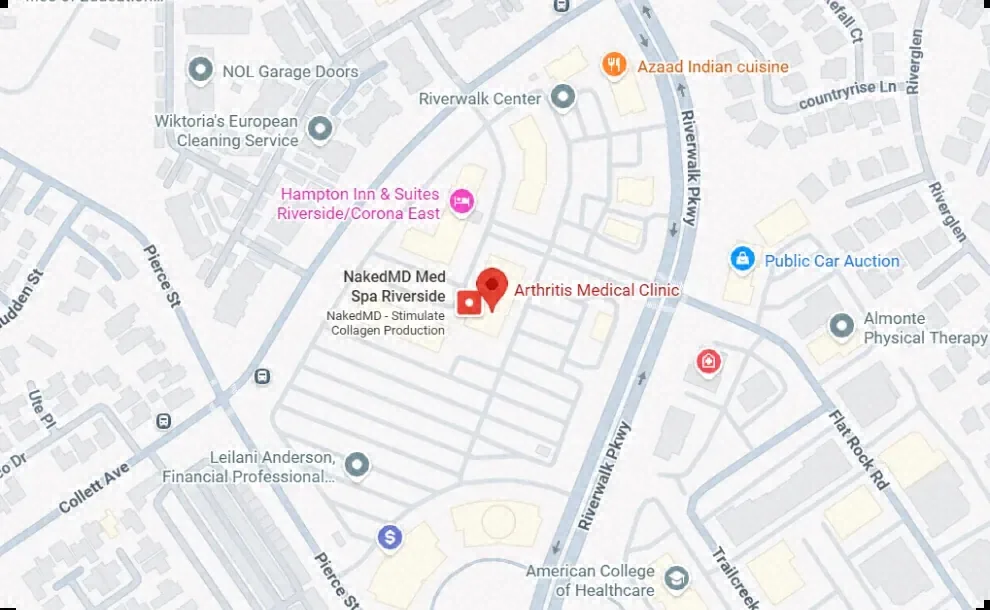
info@arthritismedicalclinic.org
Get Directions to Arthritis Medical Clinic La SierraPhones answered: Mon – Fri 9:00 AM – 5:00 PM
Wheelchair-accessible entrance and parking at every office.