
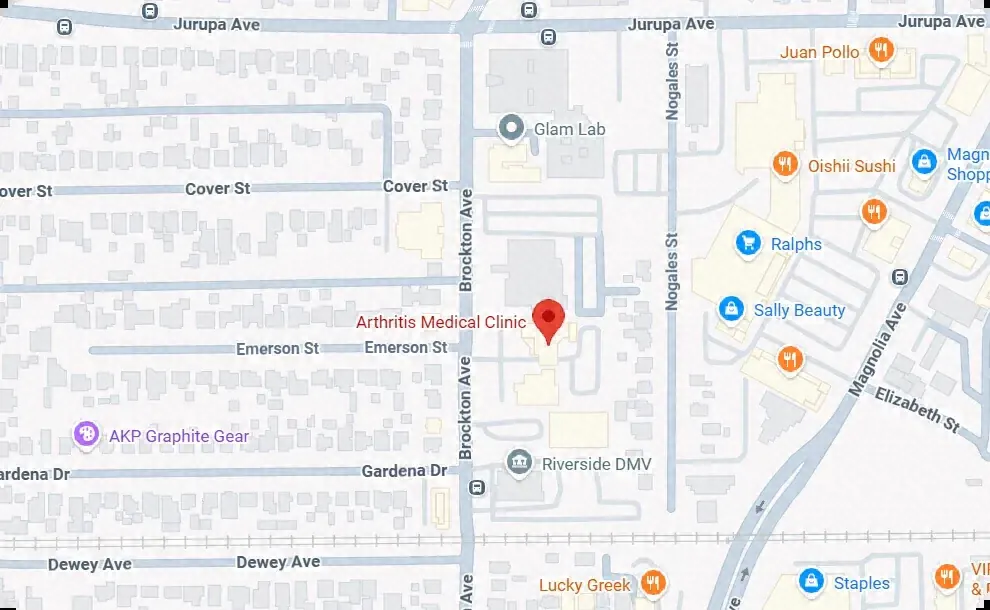
Riverside
6180 Brockton Avenue, STE 204Riverside, CA 92506
info@arthritismedicalclinic.org
Get Directions to Arthritis Medical Clinic RiversideMedical review pending
Granulomatosis with polyangiitis (GPA) is a form of vasculitis that can be treated. Early signs can be sinus trouble that never clears, nosebleeds and a cough that lasts.

As a rheumatologist, I frequently encounter patients who have spent months—or even years—seeking answers before finally being diagnosed with Granulomatosis with Polyangiitis.
Many first assume they have persistent sinus infections, recurrent bronchitis, allergies, or unexplained fatigue. They visit multiple specialists, undergo repeated courses of antibiotics, and continue to struggle with symptoms that never fully resolve.
The reason is straightforward: Granulomatosis with Polyangiitis can mimic many common illnesses before its true cause is identified.
Previously called Wegener’s Granulomatosis, GPA is a rare type of vasculitis, which means inflammation of blood vessels. Since blood vessels supply every organ in the body, the disease can affect multiple systems at once. Most commonly, GPA involves the sinuses and nose, the lungs, and the kidneys. However, it may also affect the eyes, ears, skin, joints, nerves, and other organs.
The good news is that early diagnosis and modern treatments have dramatically improved outcomes. Today, many patients achieve long-term remission and lead active, fulfilling lives.
Granulomatosis with Polyangiitis (GPA) is a rare autoimmune disease that causes inflammation of small and medium-sized blood vessels. The disease can reduce blood flow to tissues and organs, leading to inflammation and damage.
The name itself describes what happens:
As blood vessels become inflamed, organs may not receive the oxygen and nutrients they need to function normally. Without treatment, GPA can become serious and potentially life-threatening.
One reason GPA is frequently missed during its early stages is that symptoms often resemble common conditions. Patients may initially be treated for chronic sinus infections, allergies, asthma, bronchitis, ear infections or pneumonia. The symptoms may temporarily improve, but often return repeatedly. Over time, the pattern becomes more concerning as multiple organ systems become involved. Recognizing this pattern is often the key to diagnosis.
The exact cause remains unknown. Current research suggests GPA develops when the immune system mistakenly attacks healthy blood vessels. Autoimmune dysfunction, genetic susceptibility and environmental triggers such as infections may all contribute. GPA is generally considered an autoimmune vasculitis.
The symptoms of GPA vary depending on which organs are affected. In many cases, symptoms begin gradually and worsen over time.
Among all organs affected by GPA, the kidneys deserve special attention. Inflammation can damage the kidneys before symptoms become obvious. Without treatment, kidney disease may progress to chronic kidney disease, kidney failure or dialysis dependency. Fortunately, early diagnosis and treatment significantly improve outcomes.
Yes. Because GPA is a systemic vasculitis, multiple organs may be involved, including the nervous system (numbness, tingling, weakness), the skin (rashes and ulcers), the eyes and, less commonly, the heart. This is why a comprehensive evaluation is often necessary.
Diagnosis requires combining symptoms, laboratory testing, imaging, and sometimes biopsy results.
Treatment has improved dramatically over the last two decades. The goals are to stop inflammation, protect organs, prevent permanent damage and achieve remission.
A diagnosis of GPA can be overwhelming, especially when multiple organs are affected. The encouraging reality is that treatment outcomes have improved dramatically. Many patients continue working, exercise regularly, travel, raise families and maintain excellent quality of life. The key is early diagnosis, appropriate treatment, and consistent follow-up.
Seek evaluation if you experience chronic sinus symptoms that don’t improve, frequent nosebleeds, persistent cough, shortness of breath, coughing up blood, unexplained fatigue, joint pain, blood in the urine, or symptoms involving multiple organ systems. Early diagnosis may prevent serious complications.
Yes. GPA is an autoimmune vasculitis that causes inflammation of blood vessels.
Yes. Wegener’s Granulomatosis is the former name of the disease.
Yes. Kidney involvement is common and may become serious if untreated.
There is currently no cure, but many patients achieve long-term remission with treatment.
A rheumatologist typically coordinates care, often working alongside nephrologists, pulmonologists, and ENT specialists.
One of the challenges of GPA is that it often begins with symptoms that appear ordinary. Chronic sinus infections, nosebleeds, fatigue, and cough are common complaints seen every day in medical practice. However, when these symptoms persist, recur repeatedly, or involve multiple organ systems, a deeper evaluation becomes essential.
The most important message I share with patients is that GPA is highly treatable when recognized early. Modern therapies have transformed what was once a life-threatening disease into a condition that many people successfully manage for decades.
We Are Accepting New Patients!
info@arthritismedicalclinic.org
Get Directions to Arthritis Medical Clinic Riverside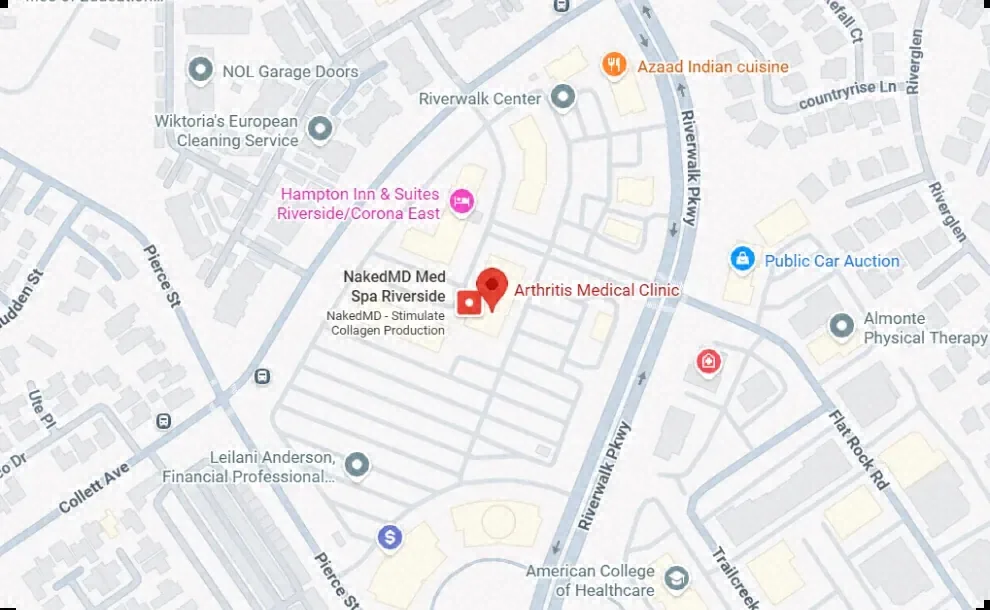
info@arthritismedicalclinic.org
Get Directions to Arthritis Medical Clinic La SierraPhones answered: Mon – Fri 9:00 AM – 5:00 PM
Wheelchair-accessible entrance and parking at every office.