
Riverside
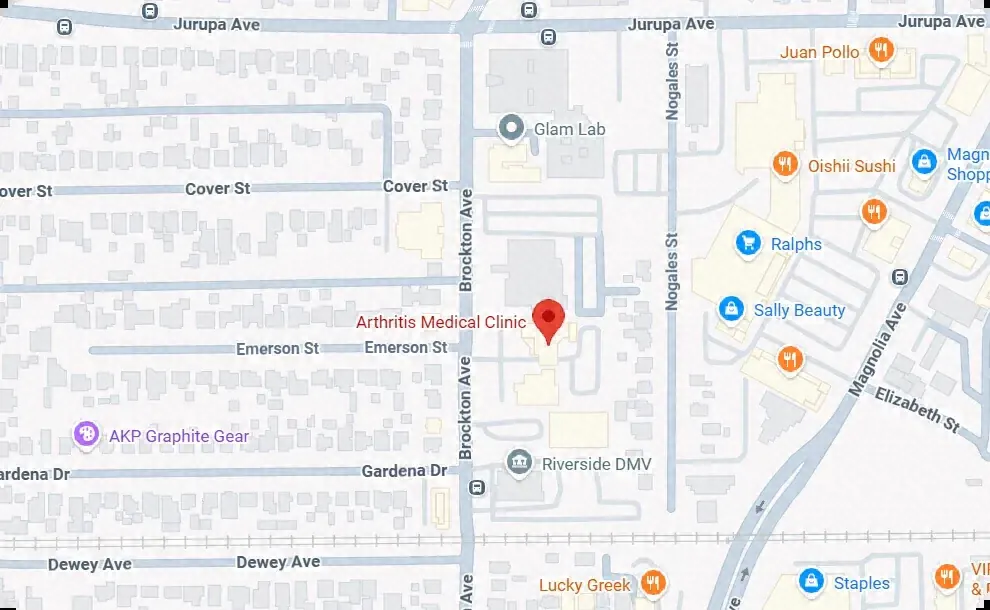
6180 Brockton Avenue, STE 204Riverside, CA 92506
info@arthritismedicalclinic.org
Get Directions to Arthritis Medical Clinic RiversideMedical review pending
Giant cell arteritis needs care right away. Watch for a new headache after age 50, with jaw pain or changes in how you see.

As rheumatologists, we evaluate many causes of headaches, fatigue, and body aches. While most are not medical emergencies, there is one condition that always demands urgent attention because delaying treatment can have life-changing consequences. That condition is Giant Cell Arteritis (GCA).
Giant Cell Arteritis is a form of vasculitis, which means inflammation of blood vessels. The disease most commonly affects medium and large arteries in the head, particularly the temporal arteries located near the temples. However, it can also involve blood vessels throughout the body, including the arteries that supply the eyes, brain, and aorta.
What makes Giant Cell Arteritis especially important is its potential to cause permanent vision loss if left untreated.
The good news is that early recognition and prompt treatment can dramatically reduce this risk. Unfortunately, many people initially assume their symptoms are related to aging, stress, migraines, dental problems, or sinus issues. Understanding the warning signs may help protect your vision and overall health.
Giant Cell Arteritis (GCA), also known as Temporal Arteritis, is an autoimmune disease that causes inflammation of medium and large arteries. The disease most often affects the temporal arteries near the temples, arteries supplying the eyes, arteries in the neck, large vessels leaving the heart, and the aorta and its major branches.
When inflammation develops within these blood vessels, blood flow may become restricted. Reduced blood flow can lead to serious complications, including vision loss, stroke, aortic aneurysm and tissue damage. This is why Giant Cell Arteritis is considered a medical condition that requires immediate evaluation and treatment.
Headaches are extremely common. Most headaches are caused by tension, migraines, sinus problems, stress or lack of sleep. Giant Cell Arteritis is different because its headache is often a sign of inflamed blood vessels.
The headache may be persistent, new, different from previous headaches, located near the temples, and associated with scalp tenderness. For many patients, this is one of the earliest warning signs.
As rheumatologists, we pay close attention when someone over the age of 50 develops a new headache that behaves differently from headaches they’ve experienced before.
GCA almost always occurs in older adults. Several factors increase risk:
Symptoms vary from person to person, but certain warning signs occur frequently. Recognizing these symptoms early can make a tremendous difference.
One of the most important relationships in rheumatology is the connection between Giant Cell Arteritis and Polymyalgia Rheumatica. Polymyalgia Rheumatica commonly causes shoulder pain, hip pain, morning stiffness and difficulty raising the arms. Approximately half of patients with Giant Cell Arteritis have symptoms of PMR. This overlap helps rheumatologists recognize Giant Cell Arteritis sooner.
The complication we worry about most is vision loss. Inflammation can affect the arteries supplying the optic nerve. When blood flow becomes insufficient, the nerve may become permanently damaged. Unfortunately, once vision loss occurs, recovery is often limited and may not be possible.
This is why treatment often begins immediately—even before all tests are complete—when clinical suspicion is high. Protecting vision is always the priority.
Diagnosis involves combining symptoms, examination findings, laboratory tests, and imaging studies. No single test provides all the answers.
Treatment should begin immediately when GCA is strongly suspected. Waiting for confirmation may increase the risk of losing vision.
Being diagnosed with Giant Cell Arteritis can be frightening, especially because of the risk of vision loss. Fortunately, outcomes today are much better than they were decades ago. Many patients maintain independence, continue working, travel, exercise and enjoy active lives. Success depends on early diagnosis, prompt treatment, regular monitoring and close rheumatology follow-up.
Seek urgent medical evaluation if you develop new headaches after age 50, jaw pain while chewing, sudden vision changes, temporary vision loss, double vision, scalp tenderness, or symptoms of Polymyalgia Rheumatica combined with headaches. Getting prompt treatment may help prevent permanent complications.
Yes. Giant Cell Arteritis is a form of autoimmune vasculitis that causes inflammation of blood vessels.
Yes. The terms are often used interchangeably.
Yes. Untreated disease can lead to permanent vision loss.
The condition almost always affects adults over age 50.
A rheumatologist typically coordinates diagnosis and treatment.
Among all forms of vasculitis, Giant Cell Arteritis is one of the few conditions where early recognition can literally save someone’s vision.
A new headache may seem like a minor complaint. Jaw discomfort may seem like a dental issue. Temporary blurry vision may seem harmless if it improves on its own. However, when these symptoms occur together—particularly in adults over age 50—they deserve immediate attention.
The most important message I share with patients is simple: never ignore new headaches accompanied by vision changes or jaw pain. With early diagnosis and prompt treatment, we can often prevent serious complications and help people continue living active, healthy lives.
We Are Accepting New Patients!
info@arthritismedicalclinic.org
Get Directions to Arthritis Medical Clinic Riverside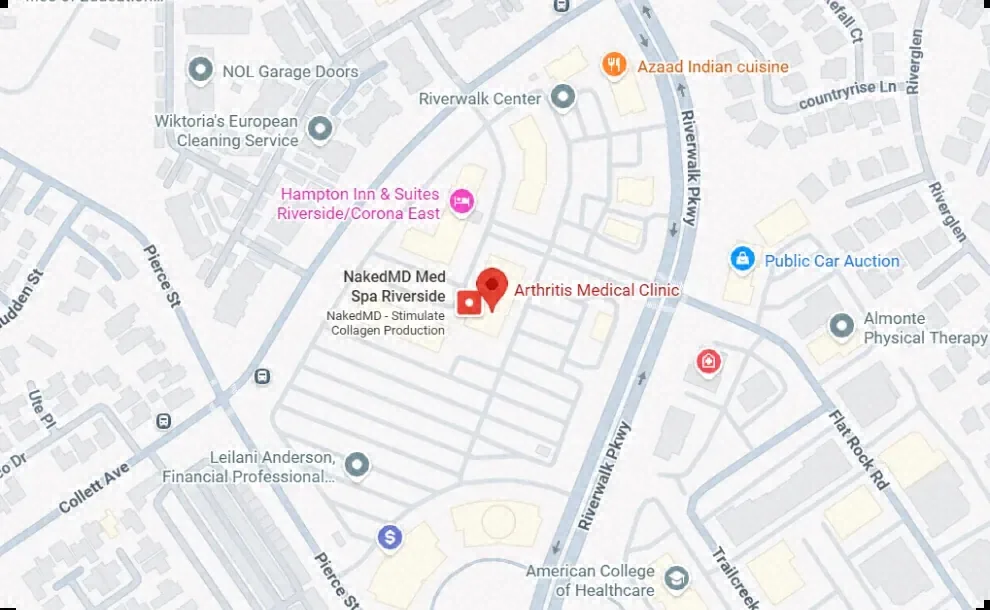
info@arthritismedicalclinic.org
Get Directions to Arthritis Medical Clinic La SierraPhones answered: Mon – Fri 9:00 AM – 5:00 PM
Wheelchair-accessible entrance and parking at every office.